
How Lift Design Changes When the Boat and Dock Require More Space
A wide slip can look generous and uncomplicated, but choosing the right lift for it is not as simple as buying a larger version of a standard model. Bigger vessels often come with broader beams, different hull shapes, heavier operating weights, and more demanding clearance requirements. That is where understanding why wide slips need a different boat lift becomes important. The lift must support the vessel correctly while still leaving enough room for safe entry, positioning, boarding, and departure. A design that works perfectly in a conventional slip may feel restrictive in a wider setup, especially when the boat itself has grown in size or weight.
Beam width is one of the first measurements that changes the equation. A wider vessel needs enough space between dock structures and lift components to move into position without constant correction. Extra clearance can reduce the risk of rubbing against the dock and make arrival less stressful, particularly in windy conditions or when several people are on board. The lift frame and support system also need to match the hull rather than simply fitting within the slip. Pontoon boats, catamarans, deep-V hulls, and other wider designs may require different bunk arrangements, cradle spacing, or support points to distribute weight properly.
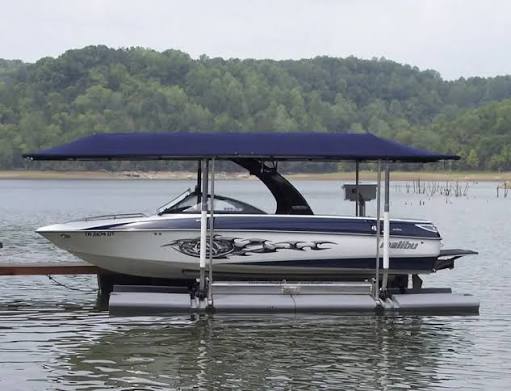
Capacity matters just as much as width. Larger boats frequently carry more fuel, batteries, water, electronics, gear, and accessories, which can add considerably to the published dry weight. A standard lift may technically fit the boat but still operate too close to its maximum capacity. Choosing equipment with a suitable margin can reduce strain on motors, cables, pulleys, and other working parts. It can also make lifting feel smoother and more predictable. Looking at real operating weight rather than brochure figures alone gives a much clearer picture of what the system will need to handle during normal use.
Dock layout can influence comfort around the boat as well. Owners may want easy access to side decks, storage compartments, boarding steps, or maintenance areas while the vessel is raised. A wider lift configuration can help preserve useful walking space and keep the boat positioned where people can reach it safely. Water depth, roof height, surrounding pilings, and the approach into the slip should also be considered. These details may sound minor at first, but together they determine whether the finished setup feels convenient or awkward every time the boat is used.
Future plans are worth thinking about before installation begins. Many boat owners eventually move to a heavier, wider, or differently shaped vessel, and a lift chosen with no extra flexibility may need to be replaced sooner than expected. When considering why wide slips need a different boat lift, it helps to look at current measurements alongside possible upgrades, adjustable supports, available capacity, and dock space. A system designed around both the vessel and the slip can provide better access, stronger support, and more room to adapt later. The result is a lift that feels purpose-built rather than merely adequate, which can make every day docking and storage far more enjoyable.